On this year’s World Day to Combat Desertification and Drought, Radio IITA journeys across Africa to spotlight a quiet but powerful revolution: the effort to restore degraded lands and unlock opportunities for people and planet.
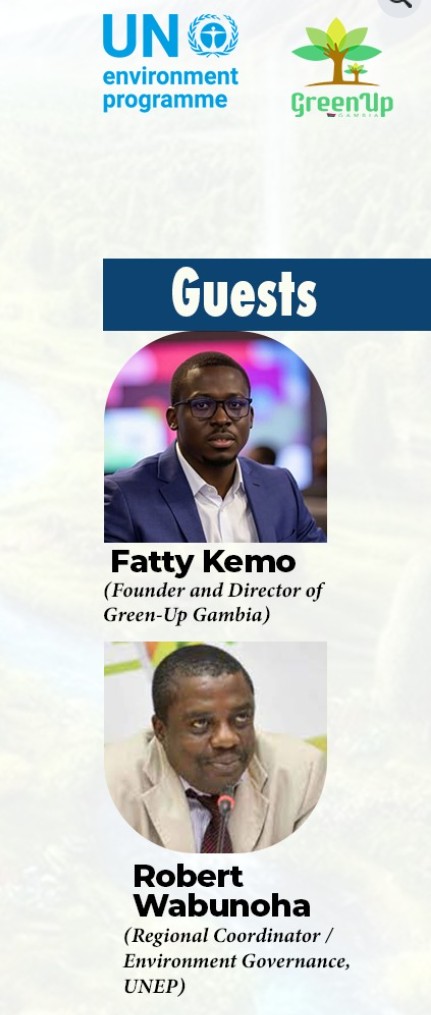
During a Special Edition of Science That Touches Us, a radio show on Radio IITA anchored by Radio Lead Dajie Odok, UN Environment Program Regional Coordinator for Environmental Governance Robert Wabunoha said Africa’s evolving environmental laws have empowered citizens to hold governments accountable and challenge harmful projects.
According to him, land is not just terrain; it’s justice, livelihood, and legacy; hence, African governments should legally recognize the right to food, especially as climate shocks continue to undermine fragile food systems.
“Before we talk about modern rights, we must first secure the right to eat,” he says.
He also emphasized the role of youth; youths must get involved in the subject of conservation, whether they are planting a tree or shaping policy. The time to start is now,” he says.
“That tree isn’t just for the current population, it’s for the next generation.”
In The Gambia, Kemo Fatty, founder of Green Up Gambia, who has seen the cost of degraded land firsthand, said, “Over 200,000 hectares have been deforested. Families are moving. Farms are failing, “Young people are leaving. But if we restore the land, they’ll stay. They’ll build,” he says.
Fatty’s team currently uses agroforestry, rainwater harvesting, and biochar to revive the land in his region. But he’s clear: local solutions need global backing like funding, policies, land rights, and youth inclusion.
Land is more than soil; it is the soul of humanity, as Fatty puts it. When restored, it holds families together, feeds communities, and offers peace.
From Africa’s institutions to its farms and coastlines, one message rings clear: It’s time to restore our land. Unlock the future for the next generation.
Contributed by Anu Oyeleye